
Story of tanzanite
TANZANITE
Type: Zoisite
Mohs hardness scale: 6.5–7
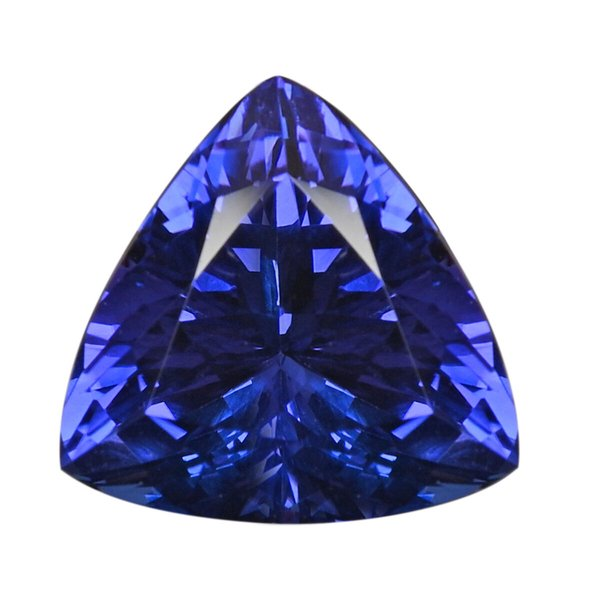
Color: blue, violet
ORIGIN AND PROVENANCE
Tanzanite is the best-known variety of zoisite. Other varieties include the lesser-known but rare pink thulite (the national gemstone of Norway) and green anyolite (ruby in zoisite).
Tanzanite was discovered in 1967 near Mount Kilimanjaro in Tanzania. It immediately became very popular and sought after in the jewelry industry, primarily due to its striking color and iridescent luster. The mineral was named by an employee of Tiffany & Co. after the country where it was found. Tiffany & Co. made tanzanite famous through a major advertising campaign and became its primary distributor.
It was the first jewelry retailer to incorporate tanzanite into its jewelry.
Since tanzanite is mined exclusively in Tanzania, the Tanzanian government has exclusive authority over its export.
COLOR
Tanzanites are trichroic, meaning they exhibit three different colors—blue, reddish-violet, and greenish-yellow—when viewed from different angles.
Almost all tanzanites must be heated to achieve their characteristic blue-violet color, a process that completely eliminates their yellowish or brownish tint.
Generally speaking, medium-dark blue tanzanites (similar to sapphire) are more valuable than those with violet hues.
Most faceted tanzanites appear clear, meaning they contain no visible inclusions.
Very rarely, tanzanite contains rutile needle inclusions, which cause the so-called cat’s eye effect. These tanzanites are highly valuable.
Tanzanites over 5 carats display the most beautiful colors. Smaller stones do not have such intense colors.
PREFERENCE
Tanzanite is mined at only one location in the world: the Merelani Hills in the Lelatema Mountains of Tanzania.
USES
Tanzanite is used primarily in jewelry, where it is a highly sought-after and popular gemstone.