
Story of Morganite
MORGANITE
Type: Beryl
Mohs hardness scale: 7.5–8
Color: pink, salmon, peach, purple
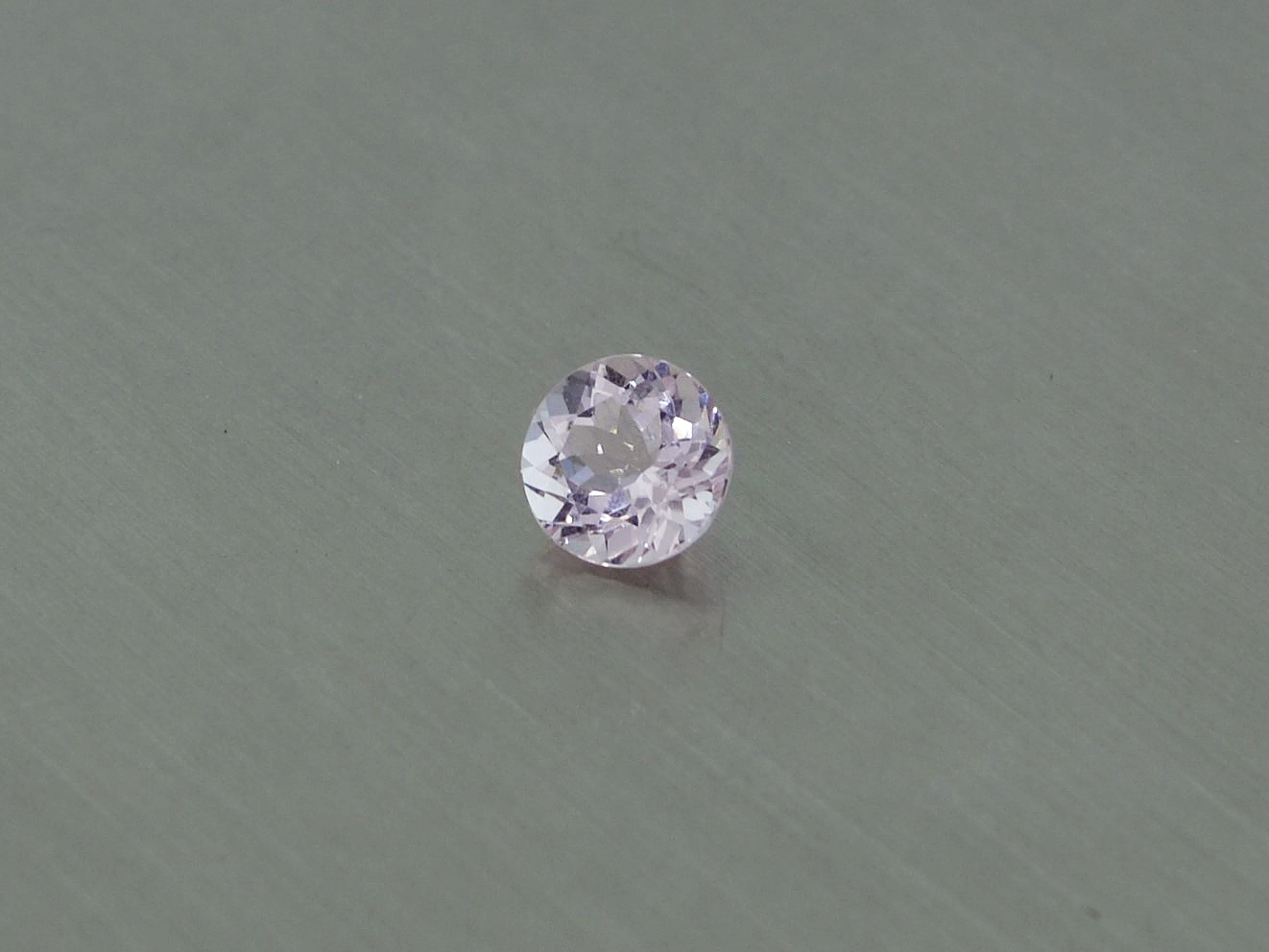
ORIGIN AND PROVENANCE
Morganite is a pink-colored variety of beryl (just like aquamarine, goshenite, emerald, bixbite, heliodor, vorobievite, and common beryl).
Its pink, sometimes salmon-to-peach coloration is caused by the presence of manganese.
Morganite exhibits strong pleochroism, meaning it takes on different colors when viewed from different angles.
It was discovered in Madagascar in 1910 and subsequently identified by G. F. Kunz (chief gemologist at Tiffany & Co.), who named it after J. P. Morgan, a passionate mineral collector and enthusiastic promoter of science and the arts.
Together with Kunz, they assembled the two most significant gemstone collections, which they later donated to the American Museum of Natural History in New York and the National Museum of Natural History in Paris.
Morganite occurs in pegmatites and forms large crystals that are often free of visible inclusions. In Brazil, crystals can weigh over 10 kilograms!
ORIGIN
Brazil (Minas Gerais), Afghanistan, Namibia, Mozambique, Madagascar, Maine (USA)
Most morganites come from mines in Minas Gerais, Brazil, where peach-colored morganites are found.
However, the most valuable morganites come from Madagascar, partly because few morganites are currently being mined there, but also because of their beautiful “purple” color, which is considered the highest standard.
The color of morganites weighing less than two carats is often pale and very light. As the carat weight increases, the color becomes more intense. Morganites are therefore irradiated or heated to enhance their color.
USES
Morganite is primarily used in jewelry, where it is slowly becoming very popular thanks to its hardness, beautiful color, and affordable price. Because of these qualities, morganite is increasingly used in engagement rings.