
Story of Citrine
Type: quartz
Mohs hardness scale: 7
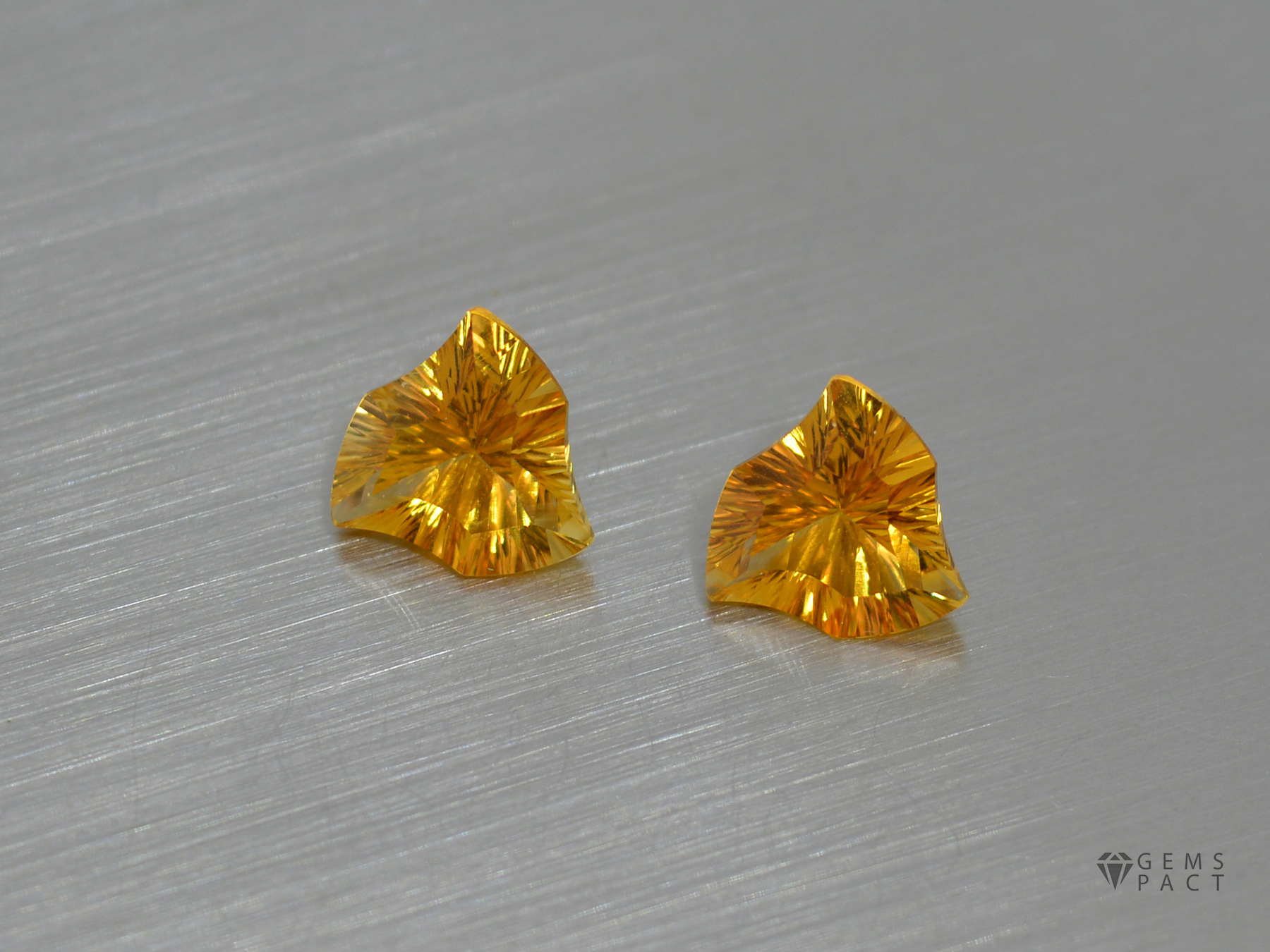
Color: yellow, orange
ORIGIN AND PROVENANCE
Citrine is the most expensive type of quartz. Its color ranges from light yellow to golden yellow. Natural citrine is a very rare mineral. Due to its scarcity in nature, citrine is often replaced by amethyst, which changes color from its original purple to yellow when heated. This practice has been in use since the Middle Ages. For this reason, it is important to purchase only genuine natural citrine with internationally recognized certificates. Not only the certificate, but also the high price will indicate whether it is genuine natural citrine.
Citrine occurs as part of large crystals in pegmatites alongside ginger.
If a citrine crystal also contains amethyst, it is a mineral called ametrine.
COLOR
The most common color of natural, untreated citrines is light yellow. In rare cases, citrine also occurs in a rich golden-orange color called madeira. Orange-amber citrines, known as “palmeiras,” are also rare.
The color of natural citrines changes when heated. Light yellow and smoky citrines are heat-treated to achieve a more intense color.
The origin of citrine’s golden color has not yet been definitively explained. Like amethyst, citrine can fade when exposed to light.
ORIGIN
Bolivia (Anahí Mine), Brazil, Russia, Madagascar, Spain, Mexico, Uruguay, Czech Republic (Bobrůvka, Bory, Kněževes, Laštovičky, Rousměrov, Sklené nad Oslavou, Suky).
USES
Like ametrines, citrines are cut into unusual shapes and modern designs. Citrines are very popular among gem cutters for their hardness, luster, and the versatility they offer in cutting.
The Citrine of Málaga is the largest cut citrine in the world, weighing a staggering 20,200 carats. This gigantic citrine was mined in Minas Gerais, Brazil, in the 1980s. Interestingly, it took its owner three decades to find the right experts to cut the stone.