
Story of Carnelian
CARNELIAN
Type: Chalcedony
Mohs hardness scale: 6.5–7
Color: red, orange, red, orange, brown
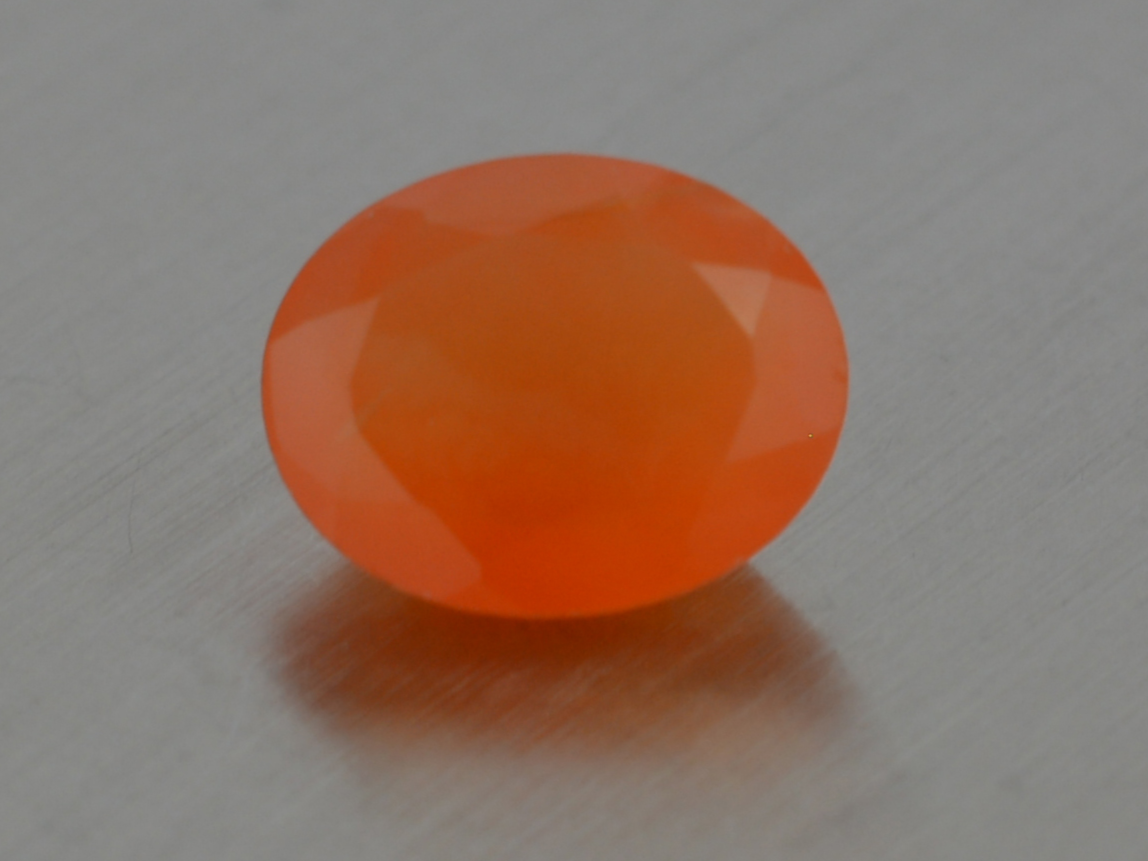
Solid-colored carnelian is primarily classified as a variety of chalcedony, but...
If carnelian is banded, it is classified as an agate.
Carnelian occurs in solidified lava. Its bright red-orange color is caused by hematite or iron (krevel). Carnelian is found worldwide in the form of cavities within igneous and sedimentary rocks.
In ancient times, the most famous deposits were in the deserts of Arabia and Egypt.
For this reason, carnelian was an important stone for these cultures, used primarily in stonework and for the production of seals and signet rings (carnelian does not adhere to hot wax).
At that time, carnelian was more valuable than a diamond itself. It was set into crosses, worn by priests, and also used to decorate ancient religious objects.
Muhammad wore it in a ring, and it was even found in the tomb of Pharaoh Tutankhamun.
ORIGIN
Czech Republic (Nová and Stará Paka), Banská Bystrica (Slovakia), Brazil, India, Japan, Africa, Australia, Peru, Russia, Germany.
COLOR
The color of carnelian depends on the amount of ferric hydroxide, which causes the brown color, and ferric oxide, which can cause an orange color.
Turkish carnelian is characterized by a honey-colored hue.
Sardite/Sard is a brownish-red, harder, and darker variety of carnelian originating from Asia Minor.
Sardonyx, or sard, is characterized by a banded pattern ranging in color from reddish-brown to brown.
USES
It is usually cut into cabochons, tumbled to make beads, or carved into intaglios (engravings).
One of the most historically famous carnelian specimens is set in a ring known as the “Ring of Telloh/Ring of Girsu” (Iraq), which is on display at the Louvre (in addition to carnelian, the ring also contains lapis lazuli).
Museums around the world display jewelry and decorative objects featuring carnelian that originate from various regions of the world
and date from different periods and cultures.