Story of Apatite
APATITE
Category: Phosphate mineral
Mohs hardness scale: 5
Color: blue, turquoise, purple, yellow, pink, brown
ORIGIN AND PROVENANCE
The name of this phosphate mineral is derived from the Greek word *apateo*, which means deception, fraud, or mystery. Given that this mineral is often confused with other minerals due to its distinct composition, its name is fitting.
Apatite is one of the oldest minerals and constitutes one of the main components of rocks. It is the most abundant phosphate in the Earth’s crust. It forms through crystallization from magma or from accumulated phosphorite residues.
The chemical composition of apatite consists of calcium phosphate with admixtures of fluorine, chlorine, and water. There is an entire group of minerals with a similar chemical composition, such as fluorapatite, chlorapatite, hydroxyapatite, carbonate-hydroxyapatite, carbonate-fluorapatite, and strontium apatite, of which fluorapatite is the most common on the market. All of these minerals are now simply referred to as apatite.
Apatite is classified as a non-metal.
COLOR
In every country where apatite is found and mined, it has its own characteristic color. This wide range of colors is caused by various chemical elements in the mineral, which is why apatite is often confused with tourmaline, peridot, and beryl.
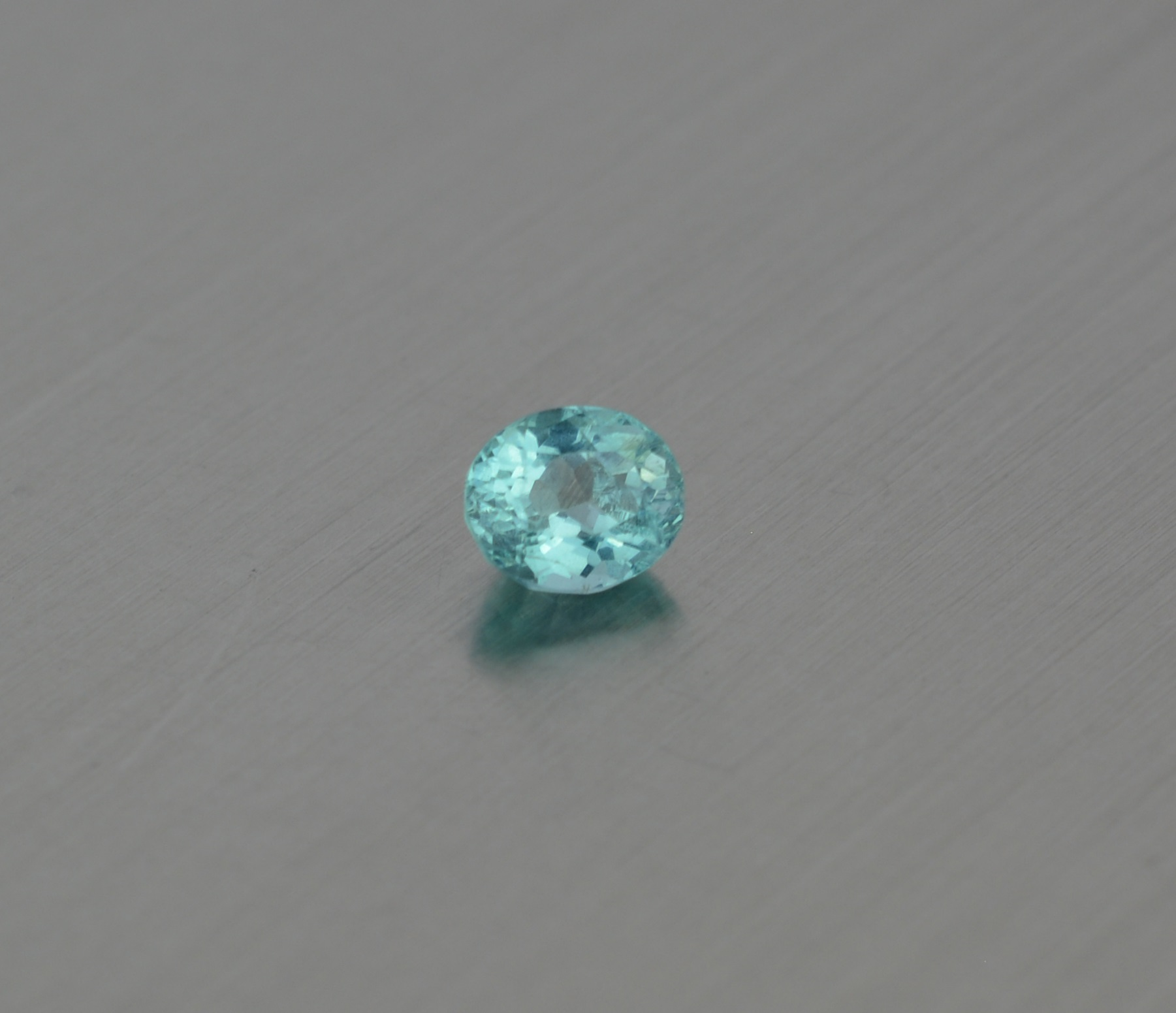
The most prized color is neon blue-green (Madagascar), but violet is also highly valued; it is much rarer and comes from mines in Maine (USA).
OCCURRENCE
Russia (blue apatites), Canada (green and brown apatites), the USA (purple apatites), Norway (blue-green apatites), Sri Lanka, Madagascar (turquoise and neon blue-green apatites), the Czech Republic (Písek, Dolní Bory, Horní Slavkov).
Apatite is also found in the human body, in bones and tooth enamel. The largest apatite ever found weighed about 5 metric tons and was discovered in Quebec, Canada.
USES
Apatite is used in the chemical industry to produce phosphorus and phosphoric acid, as well as to manufacture fertilizers.
Although apatite is a brittle stone, interest in using this mineral in jewelry has grown in recent years because it is affordable and has a neon blue-green color reminiscent of the rare and valuable Paraiba tourmaline.