
Story of Alexandrite
ChatGPT said:
ALEXANDRITE
Category: Chrysoberyl
Mohs hardness: 8.5
Color: Yellow, green, red, purple, blue-green, gray-brown
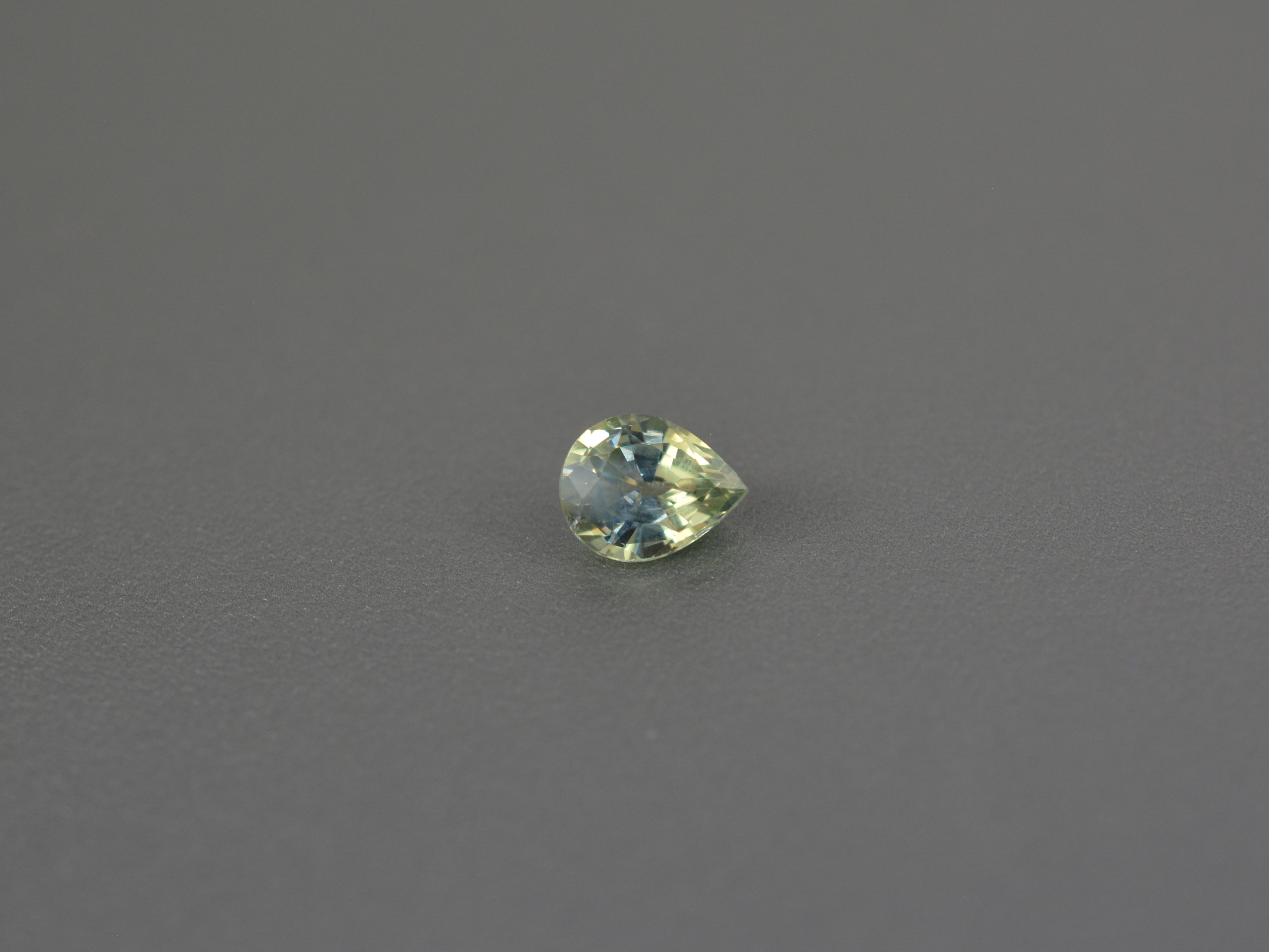
ALEXANDRITE
Alexandrite is a rare gemstone belonging to the chrysoberyl mineral group. It was first discovered in the 19th century in Russia’s Ural Mountains and named in honor of Tsar Alexander II. According to historical records, it was reportedly discovered by the Finnish mineralogist Nils Gustaf Nordenskiöld, although some accounts credit Russian miners who found it while extracting emeralds.
COLOR
Alexandrite is best known for its unique ability to change color depending on the light source — a phenomenon known as the alexandrite effect. In daylight, alexandrite typically appears green to bluish-green, while under artificial light (such as incandescent light) it shifts to shades of red, purplish-red, or raspberry red.
OCCURRENCE
Today, alexandrite can also be found in other parts of the world, including Sri Lanka, Brazil, and Africa, though the original Russian specimens remain the most prized.
High-quality alexandrites are among the most expensive gemstones in the world. They often contain inclusions and rarely exceed 3 carats in size.
USES
Alexandrite is valued not only for its remarkable color-changing ability but also for its hardness, making it suitable for various types of jewelry. Because of its rarity and unique optical properties, it is considered highly valuable and sought after by collectors and jewelers alike.
Alexandrite is also used in certain types of solid-state lasers. Alexandrite lasers are appreciated for their tunable wavelength in the infrared spectrum and are used in medicine — for example, in tattoo and pigmentation removal — as well as in industrial applications such as material cutting.
Thanks to its ability to shift color depending on the light source, alexandrite is also utilized in specialized optical instruments.